Views: 138 Author: Site Editor Publish Time: 2026-07-14 Origin: Site
For aesthetic clinics and salon owners, upgrading hair removal equipment requires a delicate balancing act. You must increase daily patient throughput. You also need to minimize consumable costs. Delivering a comfortable client experience remains equally crucial for business growth.
Traditional IPL systems often suffer from poor energy utilization. They typically hover around 30 to 40 percent efficiency. They carry high risks of thermal burns on darker skin types. Furthermore, they deliver a sharp "rubber band snap" sensation during operation. This intense discomfort actively deters client retention.
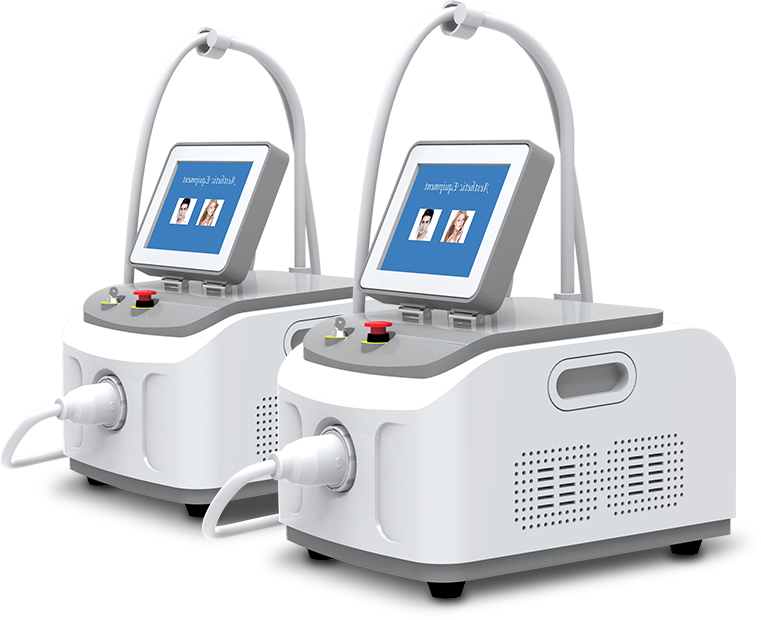
The integration of Super Hair Removal and Optimal Pulse Technology changes this dynamic. It offers a highly scalable, in-motion treatment model. This guide breaks down the technical mechanisms and operational returns of adopting an SHR OPT laser. You will learn how to evaluate hardware accurately. This knowledge helps practice managers make an evidence-based purchasing decision.
Painless Hair Removal Mechanism: Replaces high-peak single pulses with high-frequency, low-fluence energy (up to 10Hz), creating a highly tolerable "warm massage" sensation.
Optimized Clinical Throughput: "In-motion" sliding techniques reduce treatment times for large areas (legs, backs) to 30–60 minutes.
Multi-Discipline ROI: Interchangeable wavelength filters (430nm–750nm) allow a single OPT machine to treat acne, pigmentation, and vascular lesions alongside hair reduction.
Lower Maintenance Overhead: Modern systems feature user-serviceable external water filters and handles rated for up to 1 million shots.
Optimal Pulse Technology utilizes a sophisticated "square-wave" energy delivery system. Traditional IPL spikes in energy rapidly. It then tapers off just as quickly. This dramatic fluctuation risks skin burns. It also wastes a significant amount of optical energy. OPT behaves entirely differently. It maintains a flat, consistent energy output. This stable power delivery lasts throughout the entire pulse duration. Practitioners achieve highly predictable clinical results. You avoid the dangerous energy spikes common in older devices.
The in-motion mechanism completely transforms the patient experience. The system dynamically calculates frequency based on your selected treatment area. Frequencies typically range from 1Hz up to 10Hz. The operator glides the handpiece continuously over the skin. It delivers multiple low-energy pulses rapidly. It entirely avoids a single high-energy stamp. Heat gradually accumulates within the dermal stem cells. This gentle accumulation disables the hair follicle. The surrounding epidermis remains perfectly safe. This process represents the gold standard for SHR hair removal.
Contact cooling is absolutely necessary for patient safety. High-end units utilize advanced Sapphire cooling heads. Sapphire conducts heat exceptionally well. These crystal heads integrate directly into a robust triple-cooling framework. They combine water circulation and semi-conductor chillers. They actively draw heat away from the epidermal layer. The skin surface stays cool throughout the session. This advanced thermal management enables truly painless hair removal. Patients often compare the sensation to a warm stone massage.
Dedicated handles often use a fixed 640nm coated filter. Manufacturers build this filter directly into the crystal block. This solid construction eliminates intermediate light refraction. Swappable lenses often suffer from energy loss through tiny air gaps. A fixed filter delivers higher optical efficiency. More energy reaches the deep follicle directly. It provides vastly superior results for dedicated hair reduction.
The operational technique differs massively between modern and legacy equipment. An operator uses a continuous "sliding" technique. They glide the handpiece over the gel-coated skin. Conversely, Diode or older IPL units require a stationary "stamping" method. Stamping often leads to missed spots. It creates a patchy checkerboard effect on the skin. The sliding technique of the SHR machine ensures uniform coverage. It drastically reduces treatment times for large anatomical areas.
Patient compliance directly impacts clinic revenue. Traditional systems produce a sharp, elastic-snap sensation. Many patients find this highly uncomfortable. They frequently abandon their multi-session treatment plans. Super Hair Removal relies on gradual heat buildup instead. The patient feels a mild, soothing warmth. This drastically reduces treatment anxiety. It significantly improves patient adherence. Clinics see fewer canceled appointments.
We must look at evidence-backed clinical realities. Super Hair Removal is clinically superior for high-speed coverage. You can treat large areas like chests, backs, and legs rapidly. However, experienced technicians often keep other tools available. They may still prefer a stationary hair removal laser for highly precise areas. YAG or specific Diode lasers excel at treating stubborn facial hair. They also work exceptionally well on coarse bikini lines. A hybrid approach often yields the best total outcome.
Safety across diverse skin tones is a major operational concern. Conventional IPL poses severe hyperpigmentation risks for darker skin. The intense single pulse overheats surface melanin. Super Hair Removal changes this safety profile completely. Its low-fluence energy accumulation bypasses surface melanin safely. It makes the procedure demonstrably safer for Fitzpatrick Skin Types IV-V. You can even treat naturally tanned skin safely.
Feature | SHR OPT | Traditional IPL | Diode Laser (808nm) |
|---|---|---|---|
Energy Delivery | Low Fluence, High Frequency (Up to 10Hz) | High Fluence, Single Pulse | High Fluence, Continuous/Stamping |
Technique | In-Motion (Sliding) | Stationary (Stamping) | Stationary or Sliding |
Pain Level | Virtually Painless (Warmth) | High (Rubber Band Snap) | Moderate to High |
Speed (Full Back) | 30 - 45 Minutes | 60 - 90 Minutes | 45 - 60 Minutes |
Smart clinic managers do not buy single-use tools. They invest in comprehensive skin workstations. An advanced OPT device fulfills multiple clinical roles. It shifts seamlessly between hair reduction and complex skin therapies. You simply change the smart filter on the secondary handpiece. This flexibility allows smaller clinics to offer premium med-spa services. You maximize floor space. You also maximize daily revenue generation.
Standard clinical protocols rely on interchangeable filters. Each filter targets specific chromophores in the skin. Here is the standard utilization framework:
430nm: Targets P. acnes bacteria. It destroys bacterial porphyrins. It provides excellent active inflammation control for acne patients.
530nm / 560nm: Targets epidermal pigmentation. It clears sun damage and freckles. It also provides deep skin rejuvenation by stimulating fibroblast collagen production.
590nm: Targets vascular lesions. It absorbs into hemoglobin effectively. It clears diffuse redness, rosacea, and broken capillaries.
640nm / 690nm: Provides broad-spectrum hair reduction. It penetrates deeply to target different hair depths across the body.
Expanding your service menu accelerates your clinic's break-even point. One versatile machine allows practitioners to stack treatments efficiently. A client might book a leg hair reduction session today. You can easily upsell them on a photofacial for next month. This cross-selling strategy increases the lifetime value of every patient. It requires zero additional capital expenditure for new equipment.
Best Practice: Always perform a patch test when switching wavelengths on a returning client. Skin reactivity changes based on recent sun exposure and seasonal hormone shifts.
Handle replacement represents your largest operational expense. Legacy equipment requires new flashlamps every 100,000 shots. This creates massive overhead for busy clinics. Premium handles operate much more efficiently. Manufacturers engineer them for 500,000 to 1,000,000 shots. This drastically lowers your per-treatment consumable cost. It allows you to run high-volume promotion days profitably.
Machine overheating stands out as a massive clinic pain point. Weak cooling systems force machines into emergency shutoffs. This delays appointments and frustrates clients. You need a robust triple-cooling architecture. High-velocity fans pull ambient air. An internal water pump cycles heat away from the lamp. Finally, semiconductor chilling plates freeze the water lines. This synergy prevents thermal overload during ten-hour shifts.
Modern B2B design improvements save incredible amounts of time. Older units required expensive technician call-outs just to change water filters. Modern machines feature external water filtration modules. Salon staff can replace these filters independently. They can complete the task in under a minute. It does not void your warranty. It keeps your machine running cleanly.
Software design directly impacts your staff training timeline. Complex legacy interfaces confused new operators. Modern equipment features intuitive smart-touch interfaces. They include pre-programmed parameters. You simply select the patient's gender, skin type, and hair thickness. The system automatically populates safe starting energies. This reduces onboarding time for new operators significantly. It also prevents accidental clinical burns.
You must actively warn yourself against marketing gimmicks. Many cheap machines claim "Super Hair Removal" capabilities. They cannot actually sustain high frequencies safely. A true system must sustain up to 10Hz without power drop-offs. If the power supply is weak, the energy fades by the third flash. You must verify the capacitor and power supply specifications. Look for heavy-duty systems boasting 2500W to 3000W output.
Regulatory compliance is entirely non-negotiable. You must ensure the machine carries CE medical or FDA clearance. Basic generic CE marks do not cover medical efficacy. Proper medical clearance ensures liability protection for your practice. It also guarantees that the machine passed rigorous clinical efficacy audits. Uncertified machines void clinic insurance policies instantly.
Buyers must rigorously evaluate post-purchase support. Hardware eventually requires servicing. You need manufacturers offering comprehensive clinical training protocols. Check for multi-year warranties on the mainboard and power supplies. Ensure replacement parts remain highly accessible in your region. A premium OPT machine demands a highly responsive vendor ecosystem.
Transition for Growth: Upgrading to advanced pulse technology mitigates your biggest barriers to patient acquisition. It eliminates severe pain. It cuts down long appointment times. It safely treats darker skin.
Audit Your Operations: Review your current equipment's shot costs. Gather honest patient feedback regarding treatment comfort. Identify where older technology actively hurts your bottom line.
Demand Proof: Request technical data sheets from verified manufacturers. Schedule live clinical demos. Compare real-world hardware specs before signing any purchase order.
A: "Painless" serves as the standard industry term. However, patients actually experience a highly tolerable, warm massaging sensation. The continuous gliding motion prevents sudden thermal shocks. This technology virtually eliminates the sharp, snapping pain associated with older lasers. It remains exceptionally comfortable even on sensitive areas like the bikini line.
A: You should provide patients with a realistic baseline of 6 to 8 sessions. The exact number depends heavily on the individual's active hair growth cycle. Hormone levels and the specific target area also play major roles. You should space these sessions roughly 4 to 6 weeks apart for optimal clinical results.
A: Yes, it is incredibly versatile. The gradual heat accumulation makes it far safer for darker skin types than traditional IPL systems. It bypasses heavy surface melanin to target the follicle root. However, professional clinical assessment remains strictly required before treating patients with Fitzpatrick Type VI skin.
A: Fixed handles embed a 640nm filter permanently into the crystal. This prevents optical energy loss. It delivers maximum efficiency for dedicated hair removal. Conversely, filter handles use swappable lenses (430nm to 690nm). They provide massive clinical versatility. They allow you to treat acne, pigmentation, and vascular lesions efficiently.